Meet Lisanne Einhaus: redirecting sunlight to boost solar energy
October 5, 2026
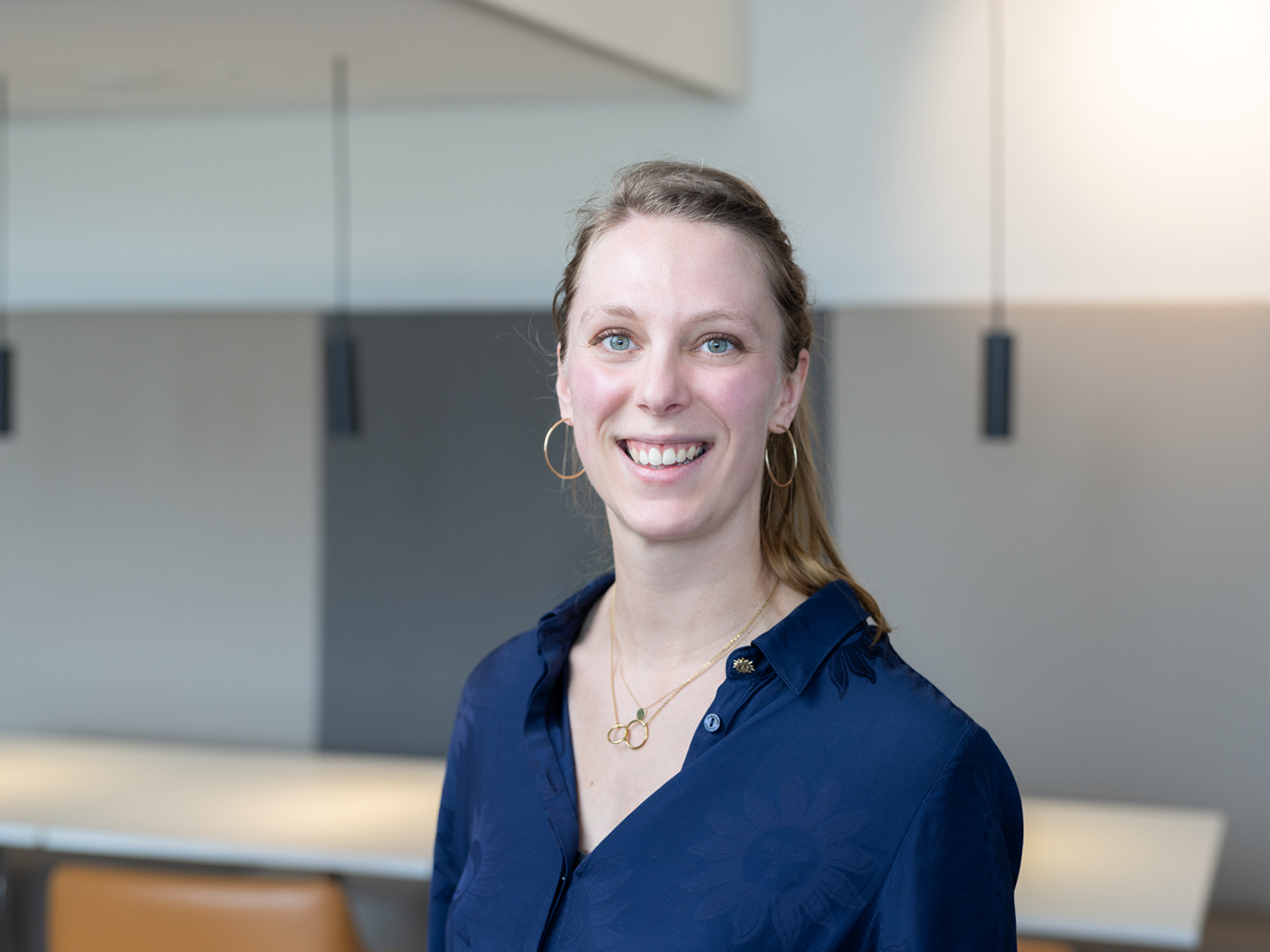
Lisanne and her team at the University of Twente have created an optical material that steers diffuse light in a chosen direction, something that, as far as they know, no one has managed before. Think of it as a “smart mirror” that channels extra sunlight toward nearby solar panels, increasing their energy yield without requiring any additional PV surface.
Because the light direction can be tuned, the system can be set up to increase generation precisely when it is most valuable. In certain configurations, the team has measured winter yield gains exceeding 60%, exactly the season when solar power is typically in short supply.
The technology promises more electricity from the same amount of photovoltaic material. It could also unlock surfaces that are normally overlooked for solar, such as building façades, by using them to redirect light toward panels elsewhere. And it touches on European energy resilience: solar panels rely on materials for which Europe depends heavily on international supply chains, so squeezing more output from every square metre makes better use of those scarce resources.
Meaningful scale
Lab prototypes have confirmed that the reflector concept works. The next challenge is testing it in larger systems under real outdoor conditions. Within two years, Lisanne aims to have demonstrated the technology at a meaningful scale, developed a scalable manufacturing route, and founded a company with a clear first market and strong industrial partners.
She feels the programme arrives at exactly the right moment. “Scientifically, we have enough evidence to believe the technology is promising, but many of the most important questions are no longer purely scientific,” she says. “How do we manufacture it at scale? Who benefits most from it? What should our first product be? These are quite different questions from the ones I am used to answering as a researcher.”
It sounds like a lot, but it is exactly the push I need to get out of the university and find out what people actually need
Question assumptions
Her early impressions have made her enthusiastic. “What I find particularly useful is that it gives a step-by-step structure to something that can otherwise feel quite overwhelming: starting a company. The exercises help organise your thoughts, but they also force you to question assumptions that you would probably not challenge on your own. We have just been given the assignment to conduct 100 interviews with potential customers and people in the field. It sounds like a lot, but it is exactly the push I need to get out of the university and find out what people actually need.” She finds both the one-on-one coaching and the peer group extremely valuable because both bring a different perspective. “Those exchanges are super valuable when you are figuring out how to build a company.”
On a personal level, Lisanne wants to shift from thinking like a researcher to thinking like the future CEO of her company: making decisions with incomplete information, articulating a vision, and learning when something is “good enough” rather than endlessly optimising. In return, she hopes to offer her peers a fresh outsider’s perspective, backed by her background in experimental research, technology development, and photovoltaics.
Lisanne is one of four new Faculty of Impact fellows we are introducing this month. Their fields could hardly be more different: solar optics, perovskite diagnostics, robotic touch and quantum timing. Yet all four are driven by the same conviction: that science earns its fullest meaning when it leaves the laboratory and reaches the people who need it. Meet Agustin O. Alvarez, Alexander A. Oliva and Louis Gallagher.

