Fellows Cohort 4
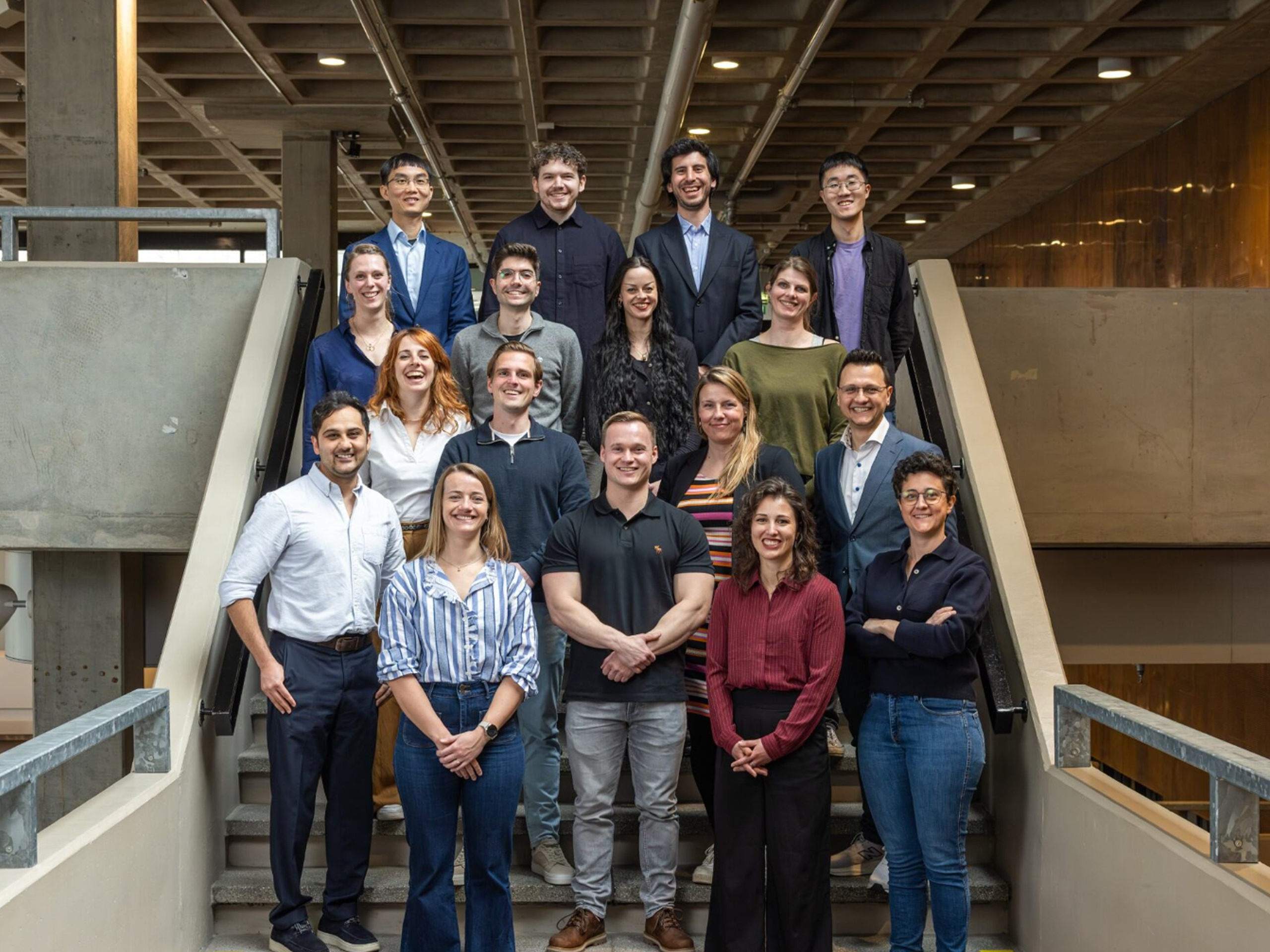
Here’s our fourth group of fellows.

C.M.S. Michielsen
TU Eindhoven
H&C Device/Diagnostic
In Sub-Saharan Africa (SSA), many infectious diseases go undetected due to a lack of accessible and accurate diagnostics. Without testing, a diagnosis relies on vague symptoms, leading to mistreatment, disease spread, and driving antimicrobial resistance. LUNAS is a portable, one-pot molecular diagnostic platform that uses engineered sensor proteins to rapidly detect small amounts of pathogen DNA at the point of care. Through the social enterprise Spotlight Dx, we aim to make accurate and affordable diagnostics available where they are needed most, enabling timely, evidence-based treatment and transforming infectious disease management across SSA.
F.A. Dekker
Universiteit Utrecht
H&C Device/Diagnostic
Neurodegeneration affects 1 in 4 people worldwide by 2050. Even with emerging treatments, diagnosis often comes too late, after irreversible brain damage. Evaluating such treatments is difficult, as disease progression is still measured subjectively. We developed a biomarker assay that transforms the core disease hallmark, amyloid fibrils, into a direct and quantitative readout. By measuring fibril length in body fluids like blood, our method enables earlier, objective detection and monitoring. I now aim to translate this scientific innovation into a clinically implementable tool that supports both therapeutic development and patient care.


T.R. Sakkers
UMC Utrecht
H&C Device/Diagnostic
Heart disease in women is often missed or diagnosed too late, especially when there are symptoms without clear blockages in the heart’s arteries—a condition known as INOCA. The current test for INOCA is invasive and expensive, and therefore not commonly performed. As a result, many women go undiagnosed and untreated. This project aims to develop a simple, affordable blood test that can detect INOCA early. By offering a non-invasive alternative, this test could help doctors provide more tailored treatments and improve outcomes for women with heart disease.
K. Madunic
Leids Universitair Medisch Centrum
H&C Device/Diagnostic
Hydra Peck is a poultry feeding system allowing to store, mix and distribute a wet diet to chickens. Since the current poultry sector is relying only on dry feed -for technical reasons-, our proposed solution, a high-moisture-diet feeding system, will improve the chicken’s health and welfare by around 140 g higher body weight gain, increase the average farmer’s profits by around 18,000 euro per year, and decrease the Carbon and Nitrogen footprint of poultry farming. Moreover, the higher flexibility in ingredients’ choice will reduce feed-food competition and energy use, making the sector more sustainable, and this feeding system more impactful.

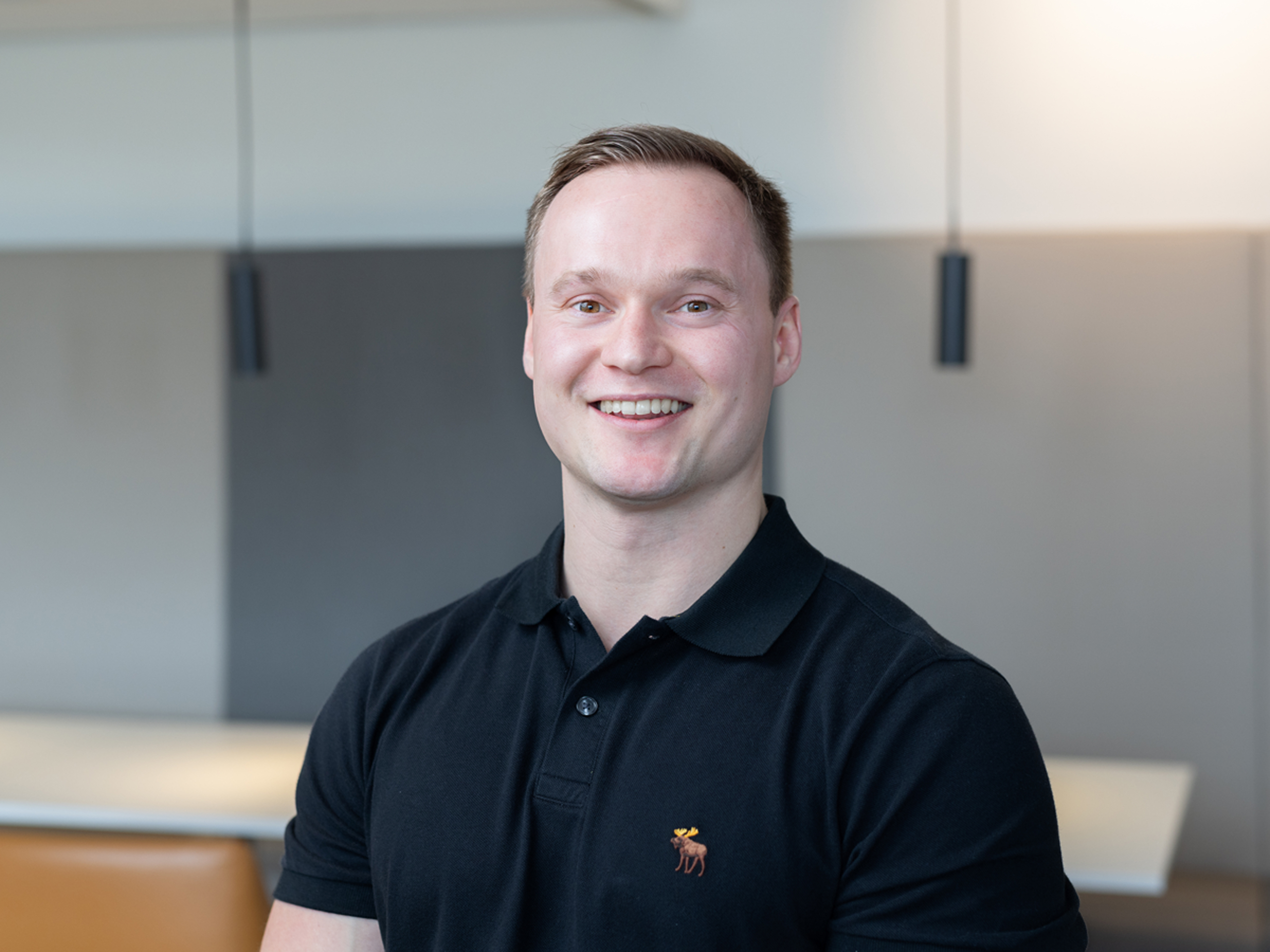
A.J.P. Hopstaken
VU Amsterdam
H&C Device/Diagnostic
Over 85% of the disease causing-molecules in the human body cannot be drugged by conventional therapeutics, affecting hundreds of millions of people. Using our GraftaGen platform, we can discover compounds with potential to target these currently “undruggable” molecules. We have developed and integrated all components of our system. Advancement of our technology now mostly requires scaling, meaning development to commercialization readiness is feasible within two years. Moreover, we have already attracted one stakeholder with intent to deploy our platform upon readiness. Further development of our technology could revolutionize the therapeutic landscape by opening up the doors to previously unreachable targets.
Zheng Wei
University of Amsterdam
H&C Device/Diagnostic
Tumor biomarker detection remains a major global healthcare challenge, particularly in the development of high-accuracy, cost-effective biosensors suitable for home use. To address this, the Biocat group at the University of Amsterdam has developed a biosensor based on engineered enzymes for the detection of NADPH—a key biomarker in various cancers. This biosensor combines high detection accuracy with low production cost, user-friendly operation, and reusability. Its design offers strong potential for both commercial adoption and positive societal impact, especially in improving access to early cancer diagnostics.
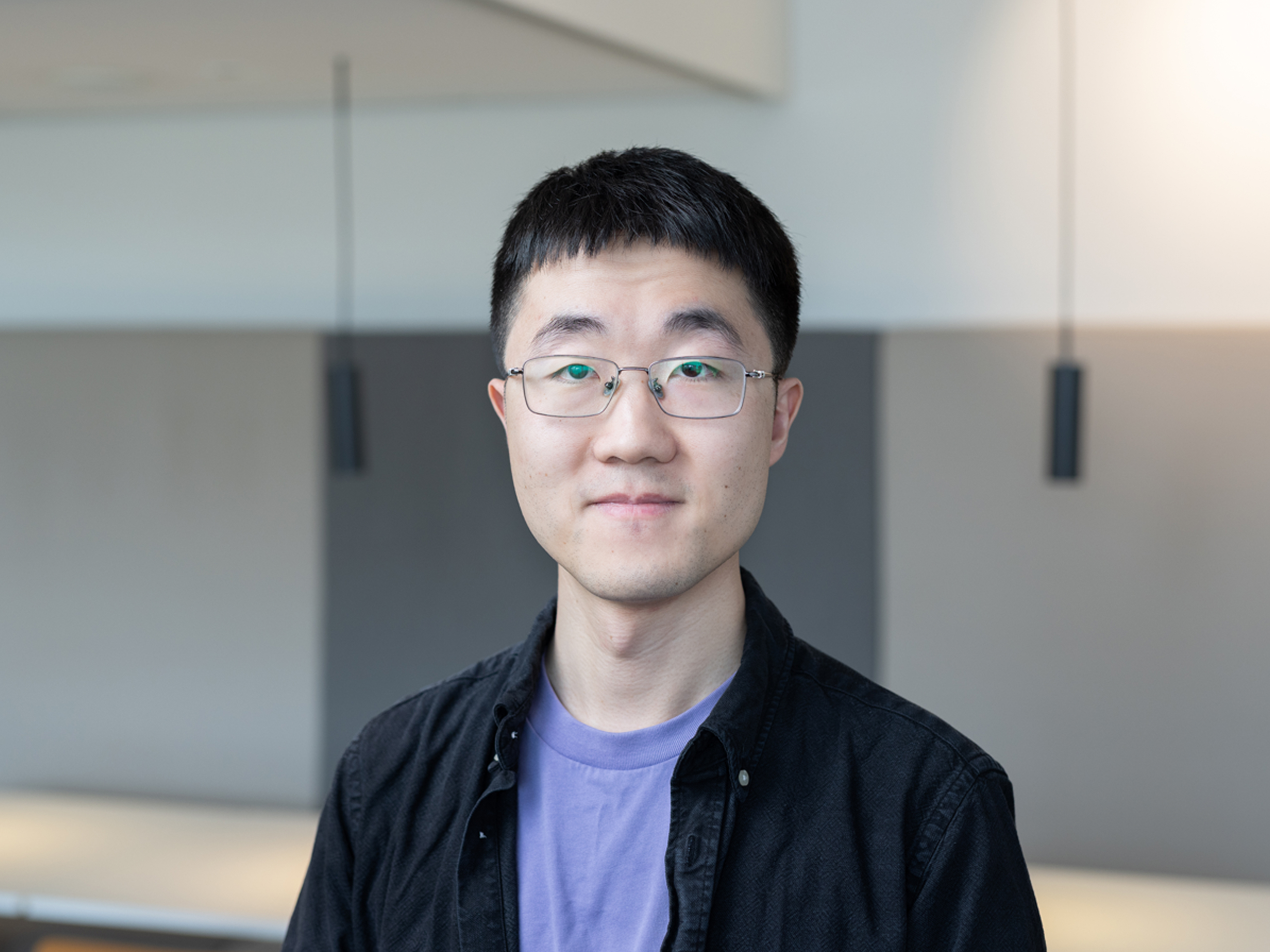

M.C.W. Huizenga
Leiden University
H&C Drug
Chemotherapy-induced neuropathic pain (CIPN) is a serious dose-limiting side effect of chemotherapy and one of the primary reasons for discontinuing treatment. The medications that patients use to alleviate the pain have limited effectiveness, cause side effects, and lead to tolerance and physical dependence. We have discovered a new potential drug for CIPN. Our compound is capable of suppressing CIPN in mice without inducing tolerance or physical dependence in these animals. These results encourage the further development of this potential medication, which could be used to improve the quality of life for (former) cancer patients.
S.K. Götzfried
University of Groningen
H&C Therapy
Our start-up is developing a pioneering light-activated CD73 inhibitor designed to treat glioblastoma with unmatched precision. By remaining inactive until triggered by targeted light at the tumor site, this therapy minimizes systemic toxicity and protects healthy brain tissue. The innovative platform overcomes key challenges of glioblastoma—drug resistance and immune evasion—by locally reactivating the patient’s immune system within the tumor microenvironment. This approach promises improved efficacy, fewer side effects, and enhanced patient quality of life. Combining cutting-edge photo pharmacology with a scalable, modular design, we aim to transform glioblastoma treatment and pave the way for broader applications in precision oncology.
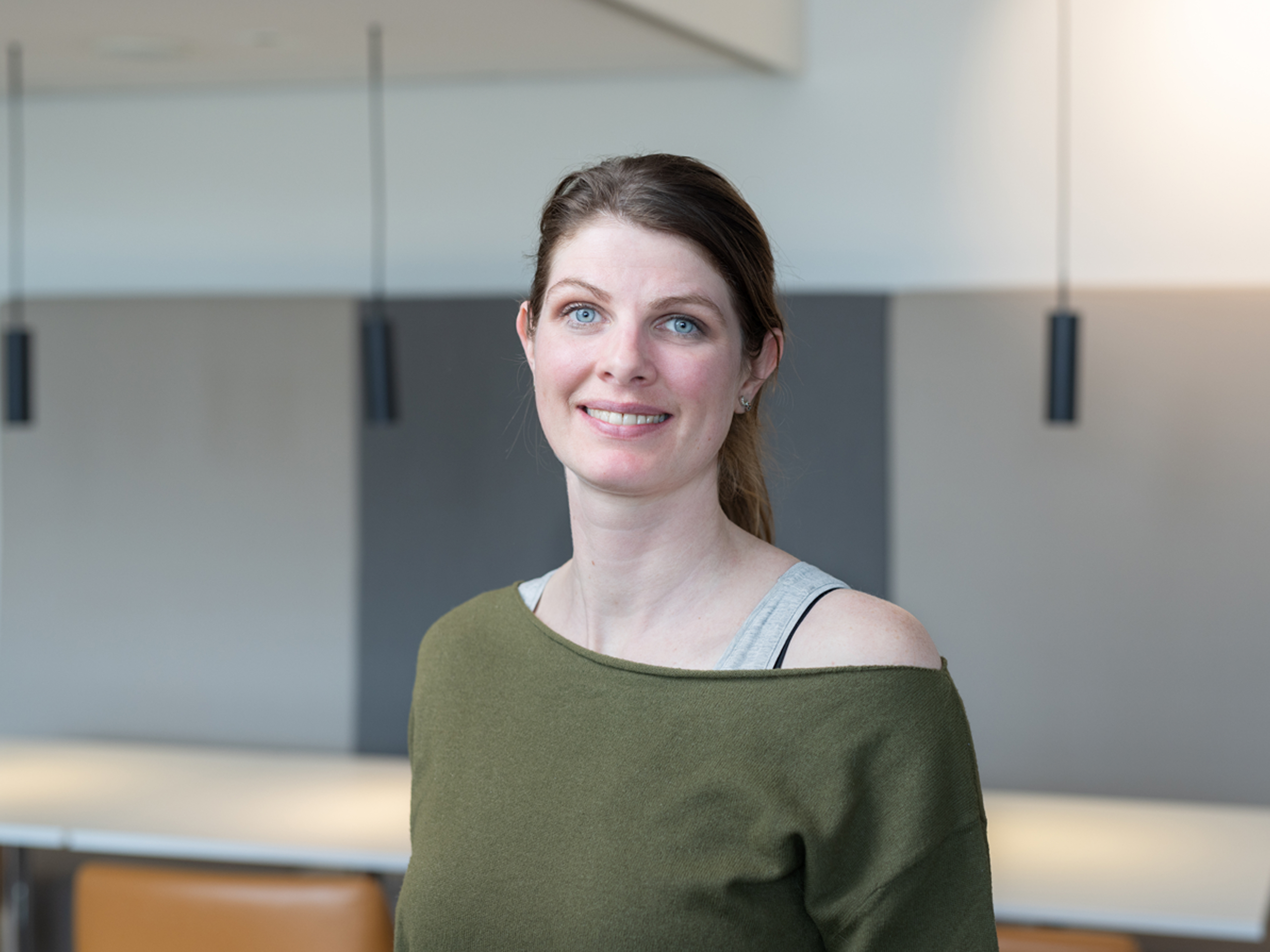

M. Khorsand Ahmadi
TU Eindhoven
H&C Device
Current biological experiments still rely on manual processes and offline analysis. This makes them time-consuming, error-prone, wasteful, and difficult to scale. Especially the lack of integrated real-time biosensing hinders automation in biological experiments. Ions like sodium and calcium regulate critical cellular functions, and real-time ion monitoring is essential for understanding disease progression. We develop a novel cell culture platform that combines ion-selective biosensors with digital microfluidics to enable automated, real-time ion sensing. This integration removes the need for manual handling, improves reproducibility, and reduces reagent use, enabling biological experiments and disease modelling to become fully automated, scalable, reliable, and sustainable.
H. Luo
University of Maastricht
H&C Device
FonoCheck solution empowers heart failure patients to use only their smartphones to record heart sounds and receive automated cardiac evaluations. By identifying early signs of heart deterioration up to three weeks before potential hospitalization, it enables timely interventions that can prevent hospital admissions. Unlike expensive wearables or implantable devices, the FonoCheck solution requires no additional hardware, making at-home monitoring and decision-making effortless. Backed by extensive preclinical and clinical research and planned to be validated in an eight-center, 300-patient study, FonoCheck integrates AI-driven cardiac assessments that are poised to achieve CE Class IIa certification and rapid adoption across hospitals.

A. Seijas-Gamardo
University of Maastricht
H&C Device
FiberCyte is a new technology that helps scientists build tiny, realistic models of human organs in the lab. These “organ-on-a-chip” models can be used to safely test new medicines and study diseases, offering a better, faster, and more ethical alternative to animal testing. FiberCyte uses a smart material to easily create the complex shapes or tiny blood vessels found in real organs, making the process simpler, quicker, and more affordable for researchers. This breakthrough helps bringing better treatments to patients, while reducing the need for animal experiments.
N. van der Stap
UMC Utrecht
H&C Device
FonoCheck solution empowers heart failure patients to use only their smartphones to record heart sounds and receive automated cardiac evaluations. By identifying early signs of heart deterioration up to three weeks before potential hospitalization, it enables timely interventions that can prevent hospital admissions. Unlike expensive wearables or implantable devices, the FonoCheck solution requires no additional hardware, making at-home monitoring and decision-making effortless. Backed by extensive preclinical and clinical research and planned to be validated in an eight-center, 300-patient study, FonoCheck integrates AI-driven cardiac assessments that are poised to achieve CE Class IIa certification and rapid adoption across hospitals.


G. Giubertoni
University of Amsterdam
H&C Device
FiberCyte is a new technology that helps scientists build tiny, realistic models of human organs in the lab. These “organ-on-a-chip” models can be used to safely test new medicines and study diseases, offering a better, faster, and more ethical alternative to animal testing. FiberCyte uses a smart material to easily create the complex shapes or tiny blood vessels found in real organs, making the process simpler, quicker, and more affordable for researchers. This breakthrough helps bringing better treatments to patients, while reducing the need for animal experiments.
L.M. Einhaus
University of Twente
ET Solar
DIRECT is a new solar technology that helps existing solar panels produce more energy, especially in cloudy weather or during winter. It works by redirecting scattered sunlight—without needing to change the panels themselves. This makes it great for use on buildings, noise barriers, and rooftops, especially in crowded places like the Netherlands where there’s not much open land. It’s also environmentally friendly, using fewer materials and supporting sustainable farming setups that combine agriculture and solar power.

A. Alvarez
AMOLF
ET Solar
The global energy transition urgently requires affordable, efficient, and stable solar technologies to reduce reliance on fossil fuels. This project introduces a novel, contactless optical diagnostic method that can be applied in the early stages of solar cell fabrication, unlike existing electrical techniques that require complete devices. This unique capability enables faster, lower-cost screening and accelerates the development of durable, high-performance solar and other advanced materials. The project aims to deliver a user-friendly tool adopted by researchers and industry, advancing clean energy deployment for a sustainable, low-carbon future.
L.P.H. Gallagher
University of Amsterdam
S Quantum
Quantum computers promise to revolutionize science and technology, with the capability of solving problems out of reach to classical computers. Trapped ions have emerged as a leading quantum computing platform demonstrating exceptional accuracy. We are developing a novel approach to quantum computing, which combines trapped ions with optical tweezers – tightly-focused laser beams, which provides key advantages in infrastructural simplification. This venture will microfabricate the ion-trap chips locally, leveraging the strength of the Dutch microfabrication sector, and ensuring the Netherlands is a leader in quantum technology development.

A.A. Oliva
TU Eindhoven
ET Robotics
This research introduces a new sensor technology that gives robotic suction grippers the ability to “feel.” By measuring how the suction cup deforms and the forces it experiences during handling, robots gain real-time feedback about the objects they’re moving. This enables safer, faster, and more precise and reliable automation — a major leap beyond current systems that operate blindly. The goal is to endow existing robots with this smart sensing capability to improve efficiency, reduce waste, and enable entirely new robotic applications. It’s a simple, scalable solution with the potential to transform automation across industries like logistics, manufacturing, and recycling.

