Fellows Cohort 4
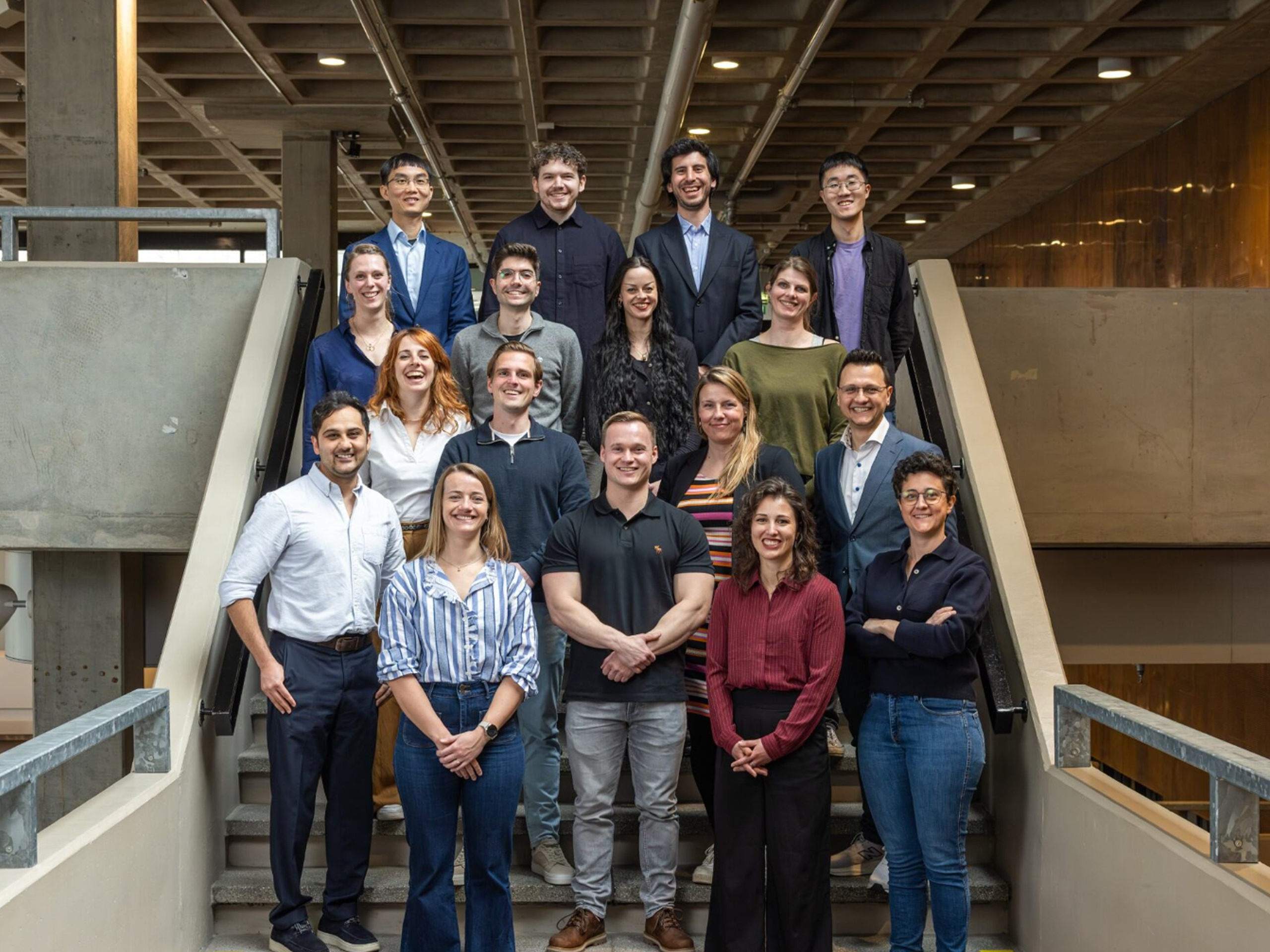
Here’s our fourth group of fellows.
Claire Michielsen
TU Eindhoven
H&C Device/Diagnostic
In Sub-Sahara Afrika blijven veel infectieziekten onopgemerkt door een gebrek aan toegankelijke en nauwkeurige diagnostiek. Zonder testen is een diagnose gebaseerd op vage symptomen, wat leidt tot verkeerde behandeling, verspreiding van ziekten en het versterken van antimicrobiële resistentie. LUNAS is een draagbaar, one-pot moleculair diagnostisch platform dat gebruikmaakt van ontworpen sensor-eiwitten om snel kleine hoeveelheden pathogeen DNA te detecteren op de plaats van zorg. Via de sociale onderneming Spotlight Dx streven we ernaar om nauwkeurige en betaalbare diagnostiek beschikbaar te maken waar die het hardst nodig is, zodat tijdige, evidence-based behandeling mogelijk wordt en de aanpak van infectieziekten in SSA wordt getransformeerd.
Françoise Dekker
Universiteit Utrecht
H&C Device/Diagnostic
Neurodegeneratie treft tegen 2050 wereldwijd 1 op de 4 mensen. Zelfs met opkomende behandelingen komt de diagnose vaak te laat, wanneer er al onomkeerbare hersenschade is ontstaan. Het evalueren van dergelijke behandelingen is lastig, omdat ziekteprogressie nog steeds subjectief wordt gemeten. Wij hebben een biomarker-assay ontwikkeld die het belangrijkste ziektekenmerk, amyloïde fibrillen, omzet in een directe en kwantitatieve uitlezing. Door de lengte van fibrillen te meten in lichaamsvloeistoffen zoals bloed, maakt onze methode eerdere en objectieve detectie en monitoring mogelijk. Ik wil deze wetenschappelijke innovatie nu vertalen naar een klinisch toepasbaar instrument dat zowel de ontwikkeling van therapieën als de patiëntenzorg ondersteunt.
Tim Sakkers
UMC Utrecht
H&C Device/Diagnostic
Hartziekten bij vrouwen worden vaak gemist of te laat gediagnosticeerd, vooral wanneer er symptomen zijn zonder duidelijke vernauwingen in de kransslagaders—een aandoening die bekendstaat als INOCA. De huidige test voor INOCA is invasief en duur, en wordt daarom niet vaak uitgevoerd. Daardoor blijven veel vrouwen ongediagnosticeerd en onbehandeld. Dit project heeft als doel een eenvoudige en betaalbare bloedtest te ontwikkelen die INOCA vroegtijdig kan detecteren. Door een niet-invasief alternatief te bieden, kan deze test artsen helpen gerichtere behandelingen te geven en de uitkomsten voor vrouwen met hartziekten te verbeteren.
Katarina Madunić
Leids Universitair Medisch Centrum
H&C Device/Diagnostic
Meer dan 30% van de wereldbevolking wordt getroffen door leververvetting (MASLD). Deze stille vetophoping kan overgaan in ontsteking (MASH) en leiden tot leverfibrose, die zich zonder symptomen ontwikkelt en, indien onopgemerkt, kan uitmonden in cirrose, leverfalen of kanker. Vroege diagnose is essentieel om onomkeerbare schade te voorkomen en doelgroepen voor onderzoek en therapie te identificeren. Uit uitgebreid onderzoek naar glycosylering van bloedeiwitten is een glycan-biomarker ontdekt die vroege fibrose detecteert. Deze marker heeft sterke potentie voor een niet-invasieve screeningstest in de eerstelijnszorg, vooral voor risicogroepen zoals mensen met diabetes type 2.
Twan Hopstaken
VU Amsterdam
H&C Device/Diagnostic
Meer dan 85% van de ziekteveroorzakende moleculen in het menselijk lichaam kan niet worden aangepakt met conventionele therapieën, wat honderden miljoenen mensen treft. Met ons GraftaGen-platform kunnen we verbindingen ontdekken die deze momenteel ‘onbehandelbare’ moleculen wél kunnen targeten. We hebben alle componenten van ons systeem ontwikkeld en geïntegreerd. De verdere ontwikkeling bestaat voornamelijk uit opschaling, waardoor commercialisering binnen twee jaar haalbaar is. Bovendien hebben we al een stakeholder aangetrokken die het platform wil inzetten zodra het gereed is. Verdere ontwikkeling kan het therapeutische landschap ingrijpend veranderen door nieuwe doelwitten toegankelijk te maken.
Zheng Wei
University of Amsterdam
H&C Device/Diagnostic
De detectie van tumorbiomarkers blijft wereldwijd een grote uitdaging in de gezondheidszorg, met name bij het ontwikkelen van zeer nauwkeurige en kosteneffectieve biosensoren die geschikt zijn voor thuisgebruik. Om dit aan te pakken heeft de Biocat-groep van de Universiteit van Amsterdam een biosensor ontwikkeld op basis van ontworpen enzymen voor de detectie van NADPH—een belangrijke biomarker bij verschillende vormen van kanker. Deze biosensor combineert hoge nauwkeurigheid met lage productiekosten, gebruiksgemak en herbruikbaarheid. Het ontwerp heeft sterke potentie voor commerciële toepassing en maatschappelijke impact, met name door betere toegang tot vroege kankerdiagnostiek.
Mirjam Huizenga
Leiden University
H&C Drug
Door chemotherapie veroorzaakte neuropathische pijn (CIPN) is een ernstige dosisbeperkende bijwerking en een belangrijke reden om behandelingen te stoppen. De huidige medicijnen zijn beperkt effectief, veroorzaken bijwerkingen en leiden tot tolerantie en afhankelijkheid. Wij hebben een nieuwe potentiële behandeling voor CIPN ontdekt. Onze verbinding kan CIPN bij muizen onderdrukken zonder tolerantie of afhankelijkheid te veroorzaken. Deze resultaten ondersteunen verdere ontwikkeling van dit medicijn, dat de kwaliteit van leven van (voormalige) kankerpatiënten kan verbeteren.
Sina Katharina Götzfried
University of Groningen
H&C Therapy
Onze start-up ontwikkelt een baanbrekende licht-geactiveerde CD73-remmer voor de behandeling van glioblastoom met ongekende precisie. Door inactief te blijven totdat het gericht met licht wordt geactiveerd op de tumorlocatie, minimaliseert deze therapie systemische toxiciteit en beschermt gezond hersenweefsel. Het platform pakt belangrijke uitdagingen aan, zoals resistentie en immuunontwijking, door het immuunsysteem lokaal opnieuw te activeren. Deze aanpak biedt betere effectiviteit, minder bijwerkingen en een hogere kwaliteit van leven. Door geavanceerde fotofarmacologie te combineren met een schaalbaar ontwerp willen we de behandeling van glioblastoom transformeren.
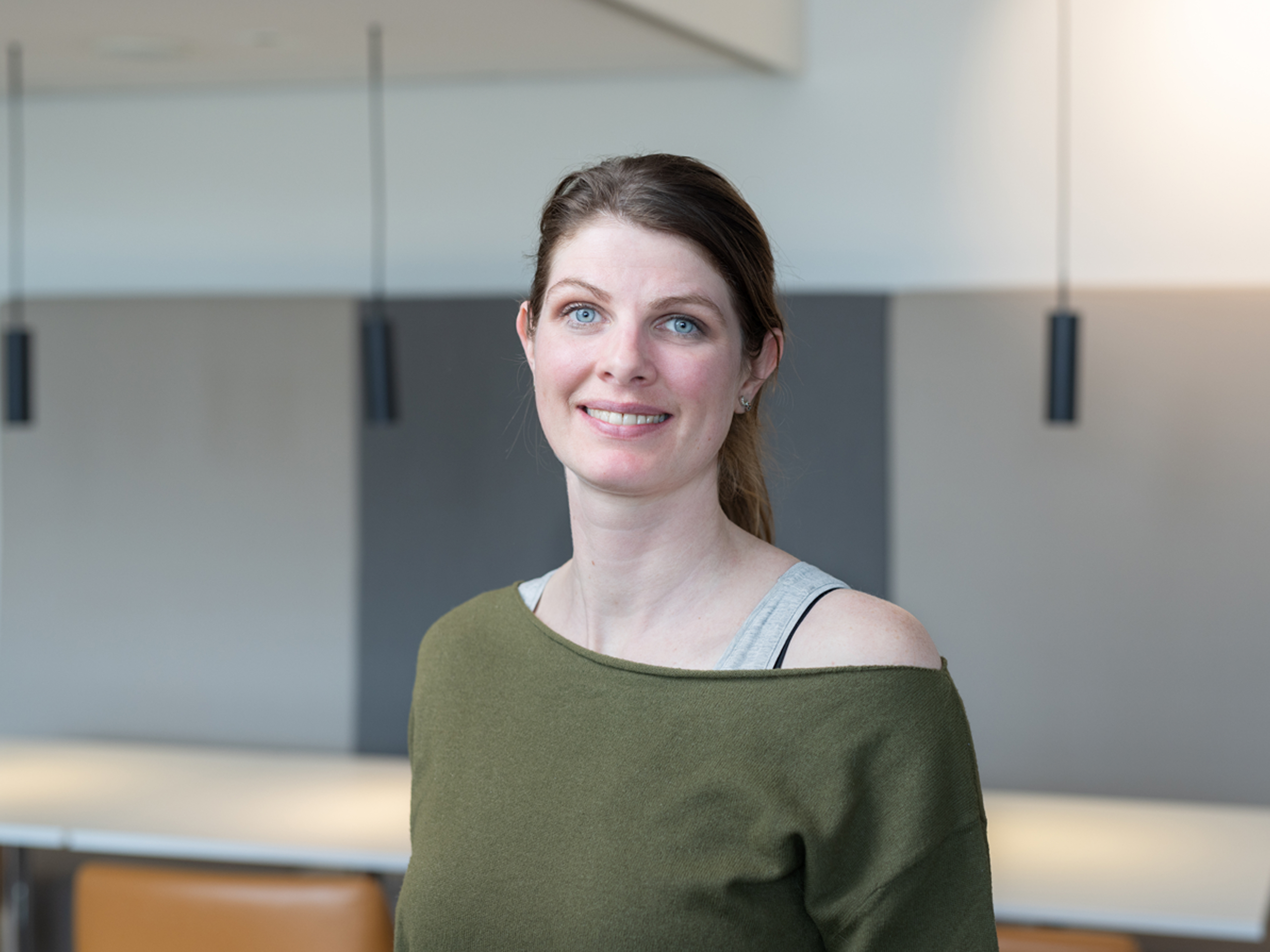

Mohammad Khorsand Ahmadi
TU Eindhoven
H&C Device
Current biological experiments still rely on manual processes and offline analysis. This makes them time-consuming, error-prone, wasteful, and difficult to scale. Especially the lack of integrated real-time biosensing hinders automation in biological experiments. Ions like sodium and calcium regulate critical cellular functions, and real-time ion monitoring is essential for understanding disease progression. We develop a novel cell culture platform that combines ion-selective biosensors with digital microfluidics to enable automated, real-time ion sensing. This integration removes the need for manual handling, improves reproducibility, and reduces reagent use, enabling biological experiments and disease modelling to become fully automated, scalable, reliable, and sustainable.
Hongxing Luo
University of Maastricht
H&C Device
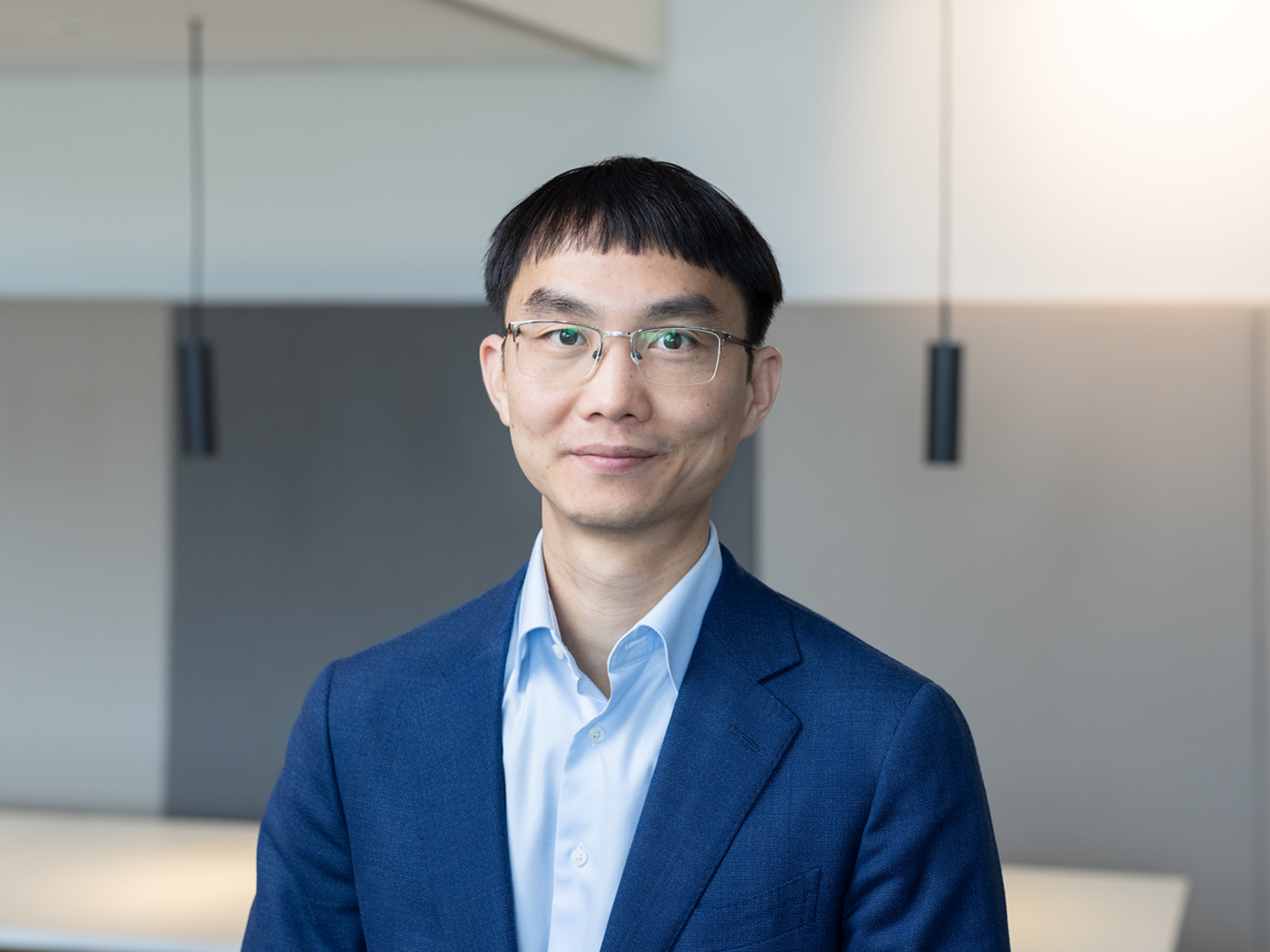
FonoCheck solution empowers heart failure patients to use only their smartphones to record heart sounds and receive automated cardiac evaluations. By identifying early signs of heart deterioration up to three weeks before potential hospitalization, it enables timely interventions that can prevent hospital admissions. Unlike expensive wearables or implantable devices, the FonoCheck solution requires no additional hardware, making at-home monitoring and decision-making effortless. Backed by extensive preclinical and clinical research and planned to be validated in an eight-center, 300-patient study, FonoCheck integrates AI-driven cardiac assessments that are poised to achieve CE Class IIa certification and rapid adoption across hospitals.
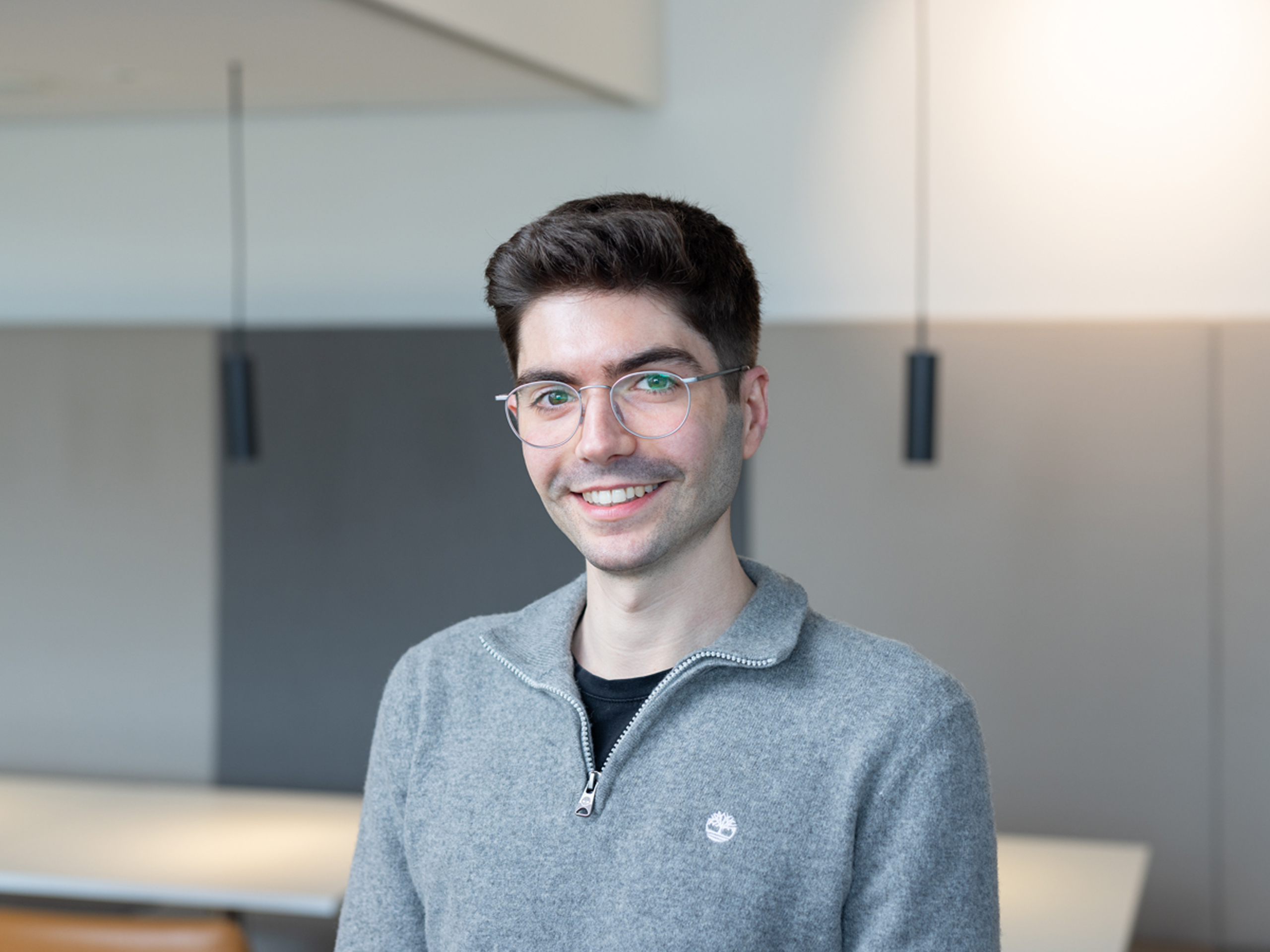
Adrián Seijas Gamardo
University of Maastricht
H&C Device
FiberCyte is a new technology that helps scientists build tiny, realistic models of human organs in the lab. These “organ-on-a-chip” models can be used to safely test new medicines and study diseases, offering a better, faster, and more ethical alternative to animal testing. FiberCyte uses a smart material to easily create the complex shapes or tiny blood vessels found in real organs, making the process simpler, quicker, and more affordable for researchers. This breakthrough helps bringing better treatments to patients, while reducing the need for animal experiments.
Nanda van der Stap
UMC Utrecht
H&C Device
Surgeons still rely on general textbook anatomy and outdated planning — while every patient is unique. This gap increases risks and extends learning curves for new procedures. Our solution: a real-time navigation system for robotic surgeons, offering live, patient-specific guidance and safety warnings — just like Google Maps does for drivers. It is expected to shorten learning curves, reduce complications, and improve surgical outcomes. We start with complex procedures like robotic esophagectomy, but our vision is broader: decision support in every operating room, making safer, high-quality surgery accessible worldwide.
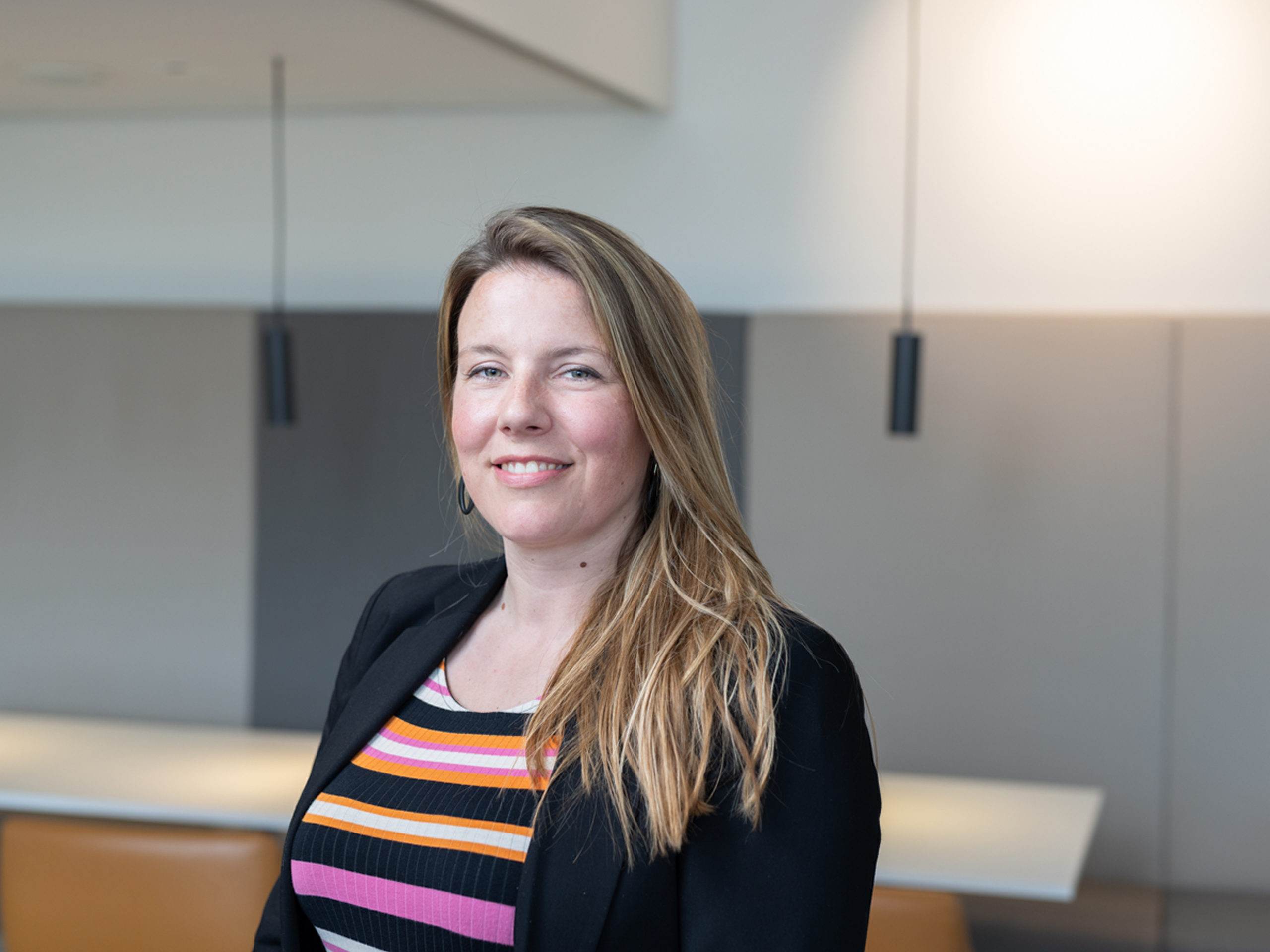
Giulia Giubertoni
University of Amsterdam
H&C Device
Nanoparticles are increasingly used in healthcare to encapsulate pharmaceutical compounds, improving therapeutic efficiency and safety while reducing costs. Quality control of these encapsulated pharmaceuticals is essential: in particular, it is important to know the ratio of encapsulated versus non-encapsulated pharmaceutical, because the non-encapsulated molecules might be harmful and/or reduce efficiency. We have developed an analytical method, Optical-DOSY, that simultaneously characterizes size and chemical composition of molecules and particles in solution. Optical-DOSY is ideally suited for characterizing (bio)medical nanoparticles, in particular for measuring the encapsulation fraction. For this reason optical DOSY can become a valuable tool in biomedical research and development.
Lisanne Einhaus
University of Twente
ET Solar
DIRECT is a new solar technology that helps existing solar panels produce more energy, especially in cloudy weather or during winter. It works by redirecting scattered sunlight—without needing to change the panels themselves. This makes it great for use on buildings, noise barriers, and rooftops, especially in crowded places like the Netherlands where there’s not much open land. It’s also environmentally friendly, using fewer materials and supporting sustainable farming setups that combine agriculture and solar power.
Agustín Alvarez
AMOLF
ET Solar
The global energy transition urgently requires affordable, efficient, and stable solar technologies to reduce reliance on fossil fuels. This project introduces a novel, contactless optical diagnostic method that can be applied in the early stages of solar cell fabrication, unlike existing electrical techniques that require complete devices. This unique capability enables faster, lower-cost screening and accelerates the development of durable, high-performance solar and other advanced materials. The project aims to deliver a user-friendly tool adopted by researchers and industry, advancing clean energy deployment for a sustainable, low-carbon future.
Louis Gallagher
University of Amsterdam
S Quantum
Quantum computers promise to revolutionize science and technology, with the capability of solving problems out of reach to classical computers. Trapped ions have emerged as a leading quantum computing platform demonstrating exceptional accuracy. We are developing a novel approach to quantum computing, which combines trapped ions with optical tweezers – tightly-focused laser beams, which provides key advantages in infrastructural simplification. This venture will microfabricate the ion-trap chips locally, leveraging the strength of the Dutch microfabrication sector, and ensuring the Netherlands is a leader in quantum technology development.
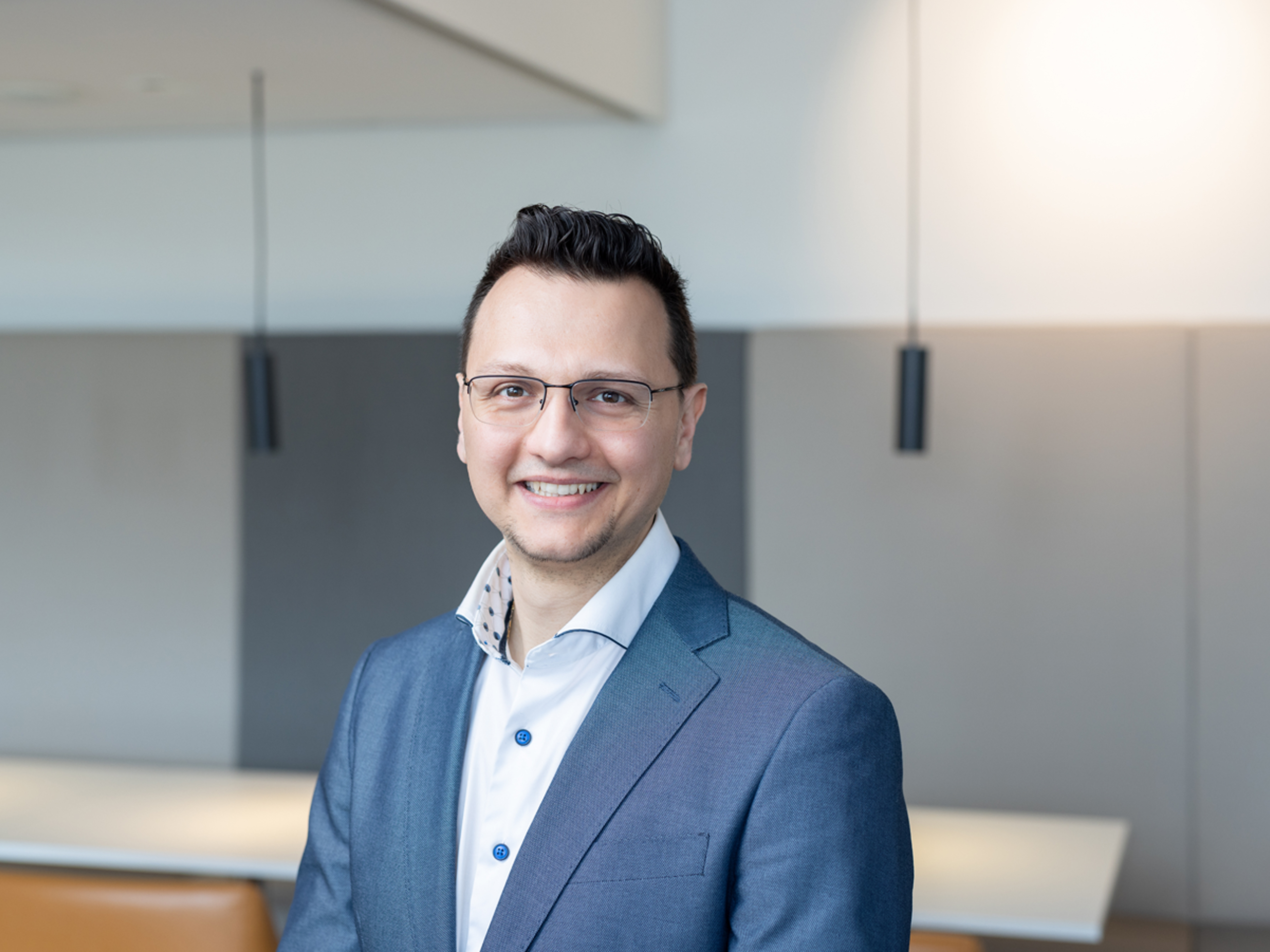
Alexandre Oliva
TU Eindhoven
ET Robotics
This research introduces a new sensor technology that gives robotic suction grippers the ability to “feel.” By measuring how the suction cup deforms and the forces it experiences during handling, robots gain real-time feedback about the objects they’re moving. This enables safer, faster, and more precise and reliable automation — a major leap beyond current systems that operate blindly. The goal is to endow existing robots with this smart sensing capability to improve efficiency, reduce waste, and enable entirely new robotic applications. It’s a simple, scalable solution with the potential to transform automation across industries like logistics, manufacturing, and recycling.

