From Scientific Discovery to Societal Impact: Meet Four New Faculty of Impact Fellows
June 4, 2026
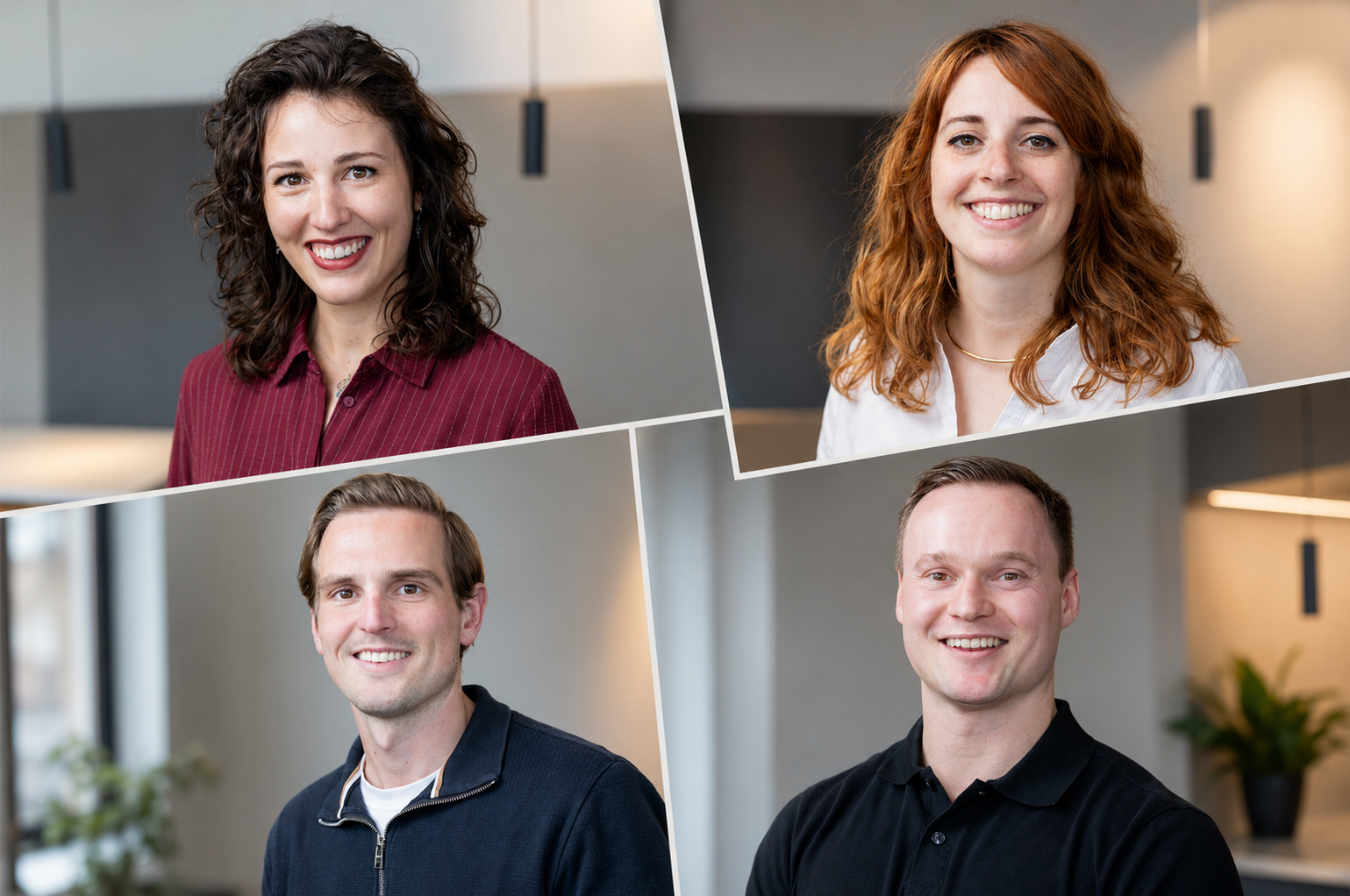
From Scientific Discovery to Societal Impact: Meet Four New Faculty of Impact Fellows
Every year, Faculty of Impact welcomes a new group of researchers who are ready to take the next step: transforming scientific discoveries into innovations that can improve lives, strengthen society, and create economic value.
Our newest cohort of 17 fellows has only just started, but the ambitions are already clear. From earlier diagnosis of Parkinson’s disease and heart disease in women to detecting liver disease before it becomes irreversible and developing new medicines for currently untreatable diseases, these fellows are tackling some of society’s most pressing health challenges.
Meet four of the researchers who joined Faculty of Impact this spring and learn how they hope to turn their scientific breakthroughs into real-world impact.
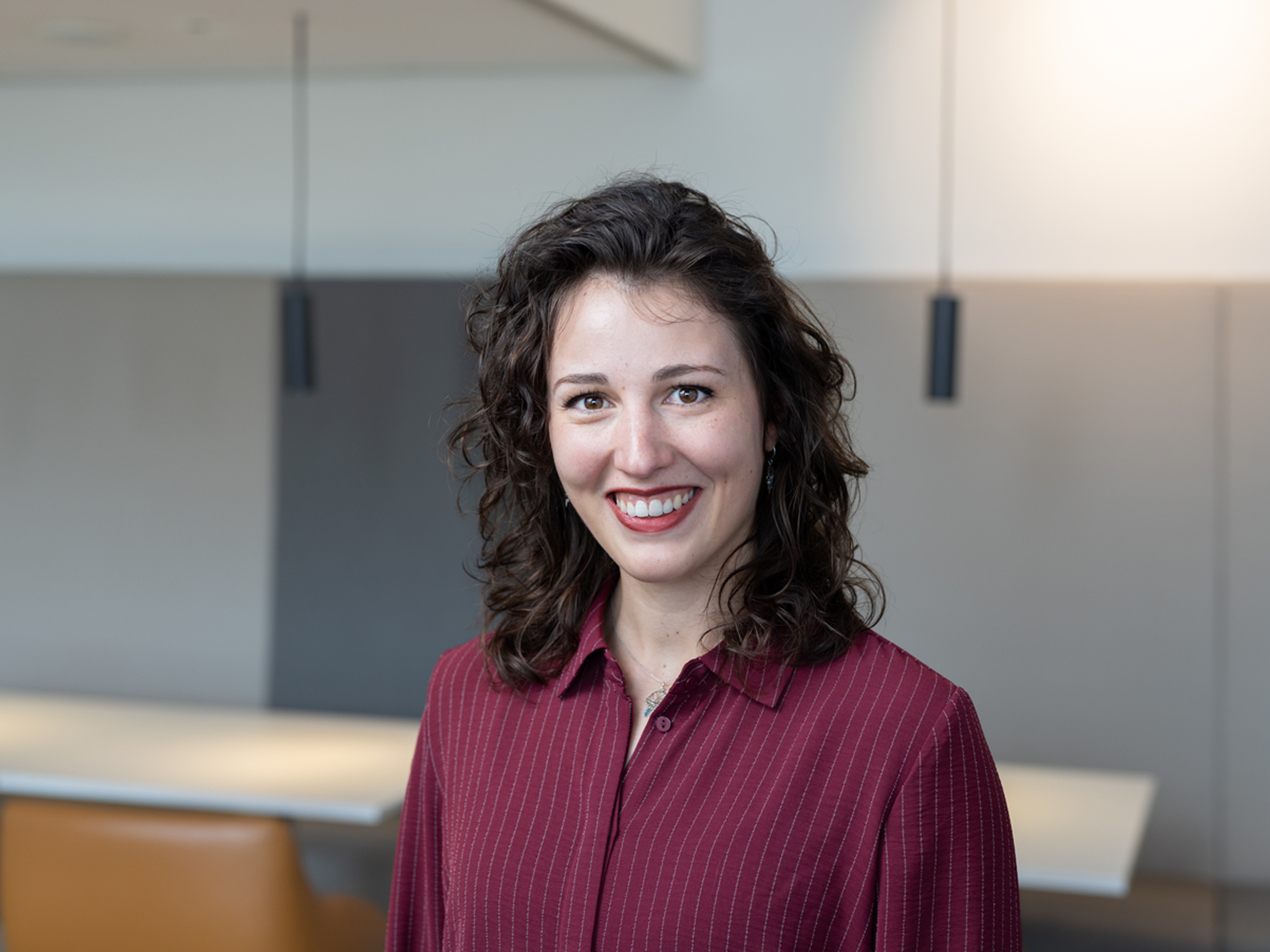
Françoise Dekker – Making Parkinson’s Disease Measurable
For Françoise Dekker, at Utrecht University, the challenge is clear: if we want to change the course of neurodegenerative diseases such as Parkinson’s, we first need better ways to measure them. Through her venture NeuroTidal Dx, she is developing a biomarker test that measures the length of amyloid fibrils in biological samples. These fibrils are linked to the underlying disease biology of Parkinson’s and other neurodegenerative disorders. Today, diagnosis and monitoring are still largely based on symptoms, often appearing only after significant damage has already occurred.
Françoise hopes her innovation will enable earlier and more objective diagnosis, better monitoring of disease progression, and improved clinical trials for new treatments. Over the next two years, she aims to further validate the technology and prepare it for larger collaborations with clinicians and pharmaceutical companies. “Our goal is to move from promising scientific innovation toward a test that is implementation-ready and valuable for real-world decision-making.”
For her, Faculty of Impact comes at exactly the right moment. “We are moving from research into venture building,” she explains. “The program helps bridge the gap between an academic invention and a company that can actually bring a technology to patients.” Beyond business development, Françoise hopes to grow into a stronger CEO, developing the leadership, strategic thinking, and fundraising skills needed to build a successful company around excellent science.
Her first experience with the program has been very positive: “What stood out to me immediately is that it feels like a safe and open environment. There is room to ask questions, to be challenged, and to think out loud without needing to have everything figured out already.” She hopes to contribute to the warm and constructive atmosphere of the program and share her own first experiences.
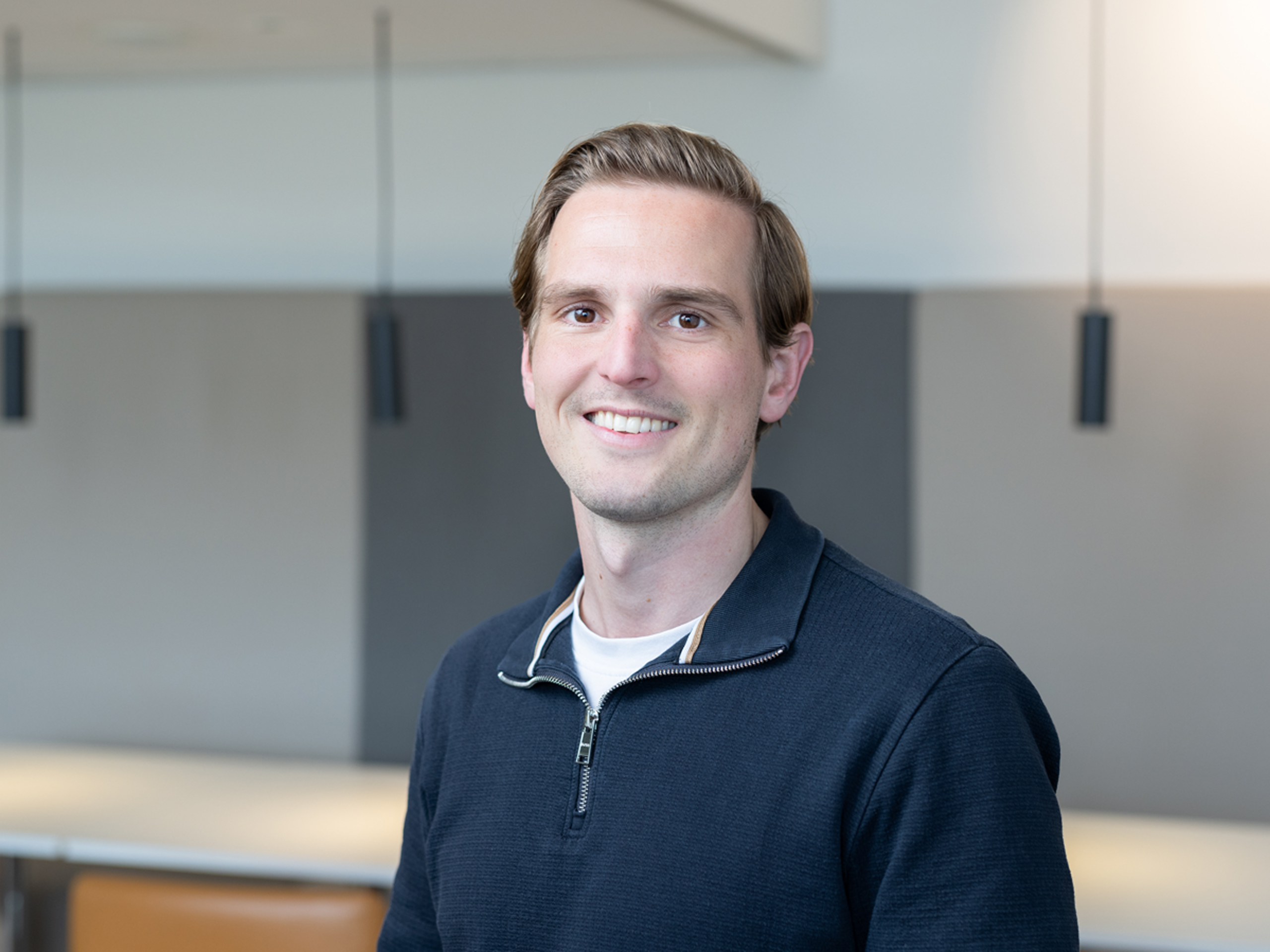
Tim Sakkers – Improving Heart Disease Diagnosis for Women
Millions of women worldwide suffer from ANOCA (Angina with No Obstructive Coronary Arteries), a condition that often remains difficult to diagnose. Patients frequently face years of uncertainty, persistent symptoms, and invasive diagnostic procedures. Tim Sakkers, from UMC Utrecht, is working to change that.
His team is developing a scalable blood-based diagnostic test that could provide a rapid and patient-friendly way to diagnose heart disease in women. Early proof-of-concept studies have already shown promising results, demonstrating that the biomarkers can distinguish patients from healthy controls and even identify clinically relevant subgroups.
Within the next two years, Tim hopes to clinically validate the test, secure intellectual property protection, and launch a startup that can attract investment and bring the innovation closer to patients.
What attracted him to Faculty of Impact was its focus on impact and entrepreneurial development. “The scientific foundation is now in place,” he says. “Creating impact requires more than research alone.”
Through the program, Tim hopes to develop the confidence and skills needed to navigate the world of valorisation, communicate complex science to investors and stakeholders, and ultimately translate an innovative idea into tangible benefits for patients.
His first experiences have been positive: “The opportunity to learn from each other, share experiences, and build a supportive network is incredibly valuable.” Tim hopes to contribute to this learning environment with his positive presence and engaging style.
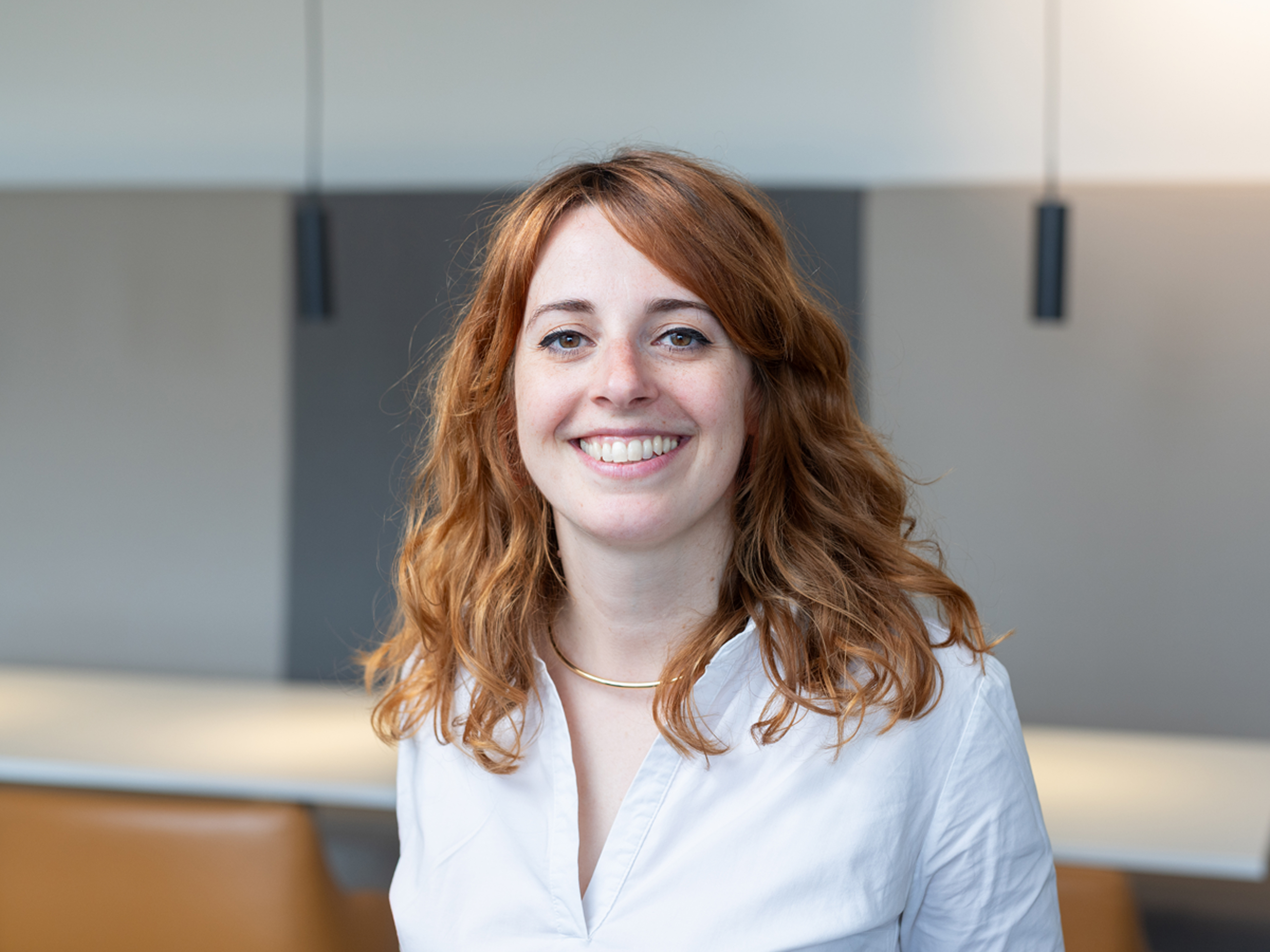
Katarina Madunic – Detecting Liver Disease Before It Becomes Irreversible
Liver fibrosis often remains unnoticed until it has progressed to a severe disease. Katarina Madunic wants to change that by bringing earlier detection into routine healthcare. At Leiden University Medical Center, Katarina and her colleagues discovered a blood glycan biomarker that can detect liver fibrosis at a very early stage with high accuracy. The test has the potential to identify patients before irreversible liver damage occurs, enabling timely medical intervention and lifestyle changes.
The societal impact could be significant. Earlier diagnosis may reduce the incidence of cirrhosis, liver cancer, and liver-related mortality, while lowering the burden on healthcare systems.
The discovery has already been demonstrated in a clinical cohort, and the next phase focuses on larger validation studies and optimization toward a diagnostic product. Katarina’s ambition is that within two years the biomarker will be recognized internationally as a valuable tool for liver disease management.
As the project moves from scientific discovery toward implementation, she sees Faculty of Impact as a crucial next step. The program will help her develop the skills, network, and leadership capabilities needed to build a company and bring the innovation into clinical practice.
Katarina has already discovered one of the strengths of the program: the community. “It has been very rewarding to learn from other fellows and exchange experiences with people facing similar challenges,” she says. “Luckily, we also had the chance to meet fellows from previous cohorts and get advice and feedback from them.” Katarina brings her broad network to the program and was already able to make some valuable connections for her FOI peers.
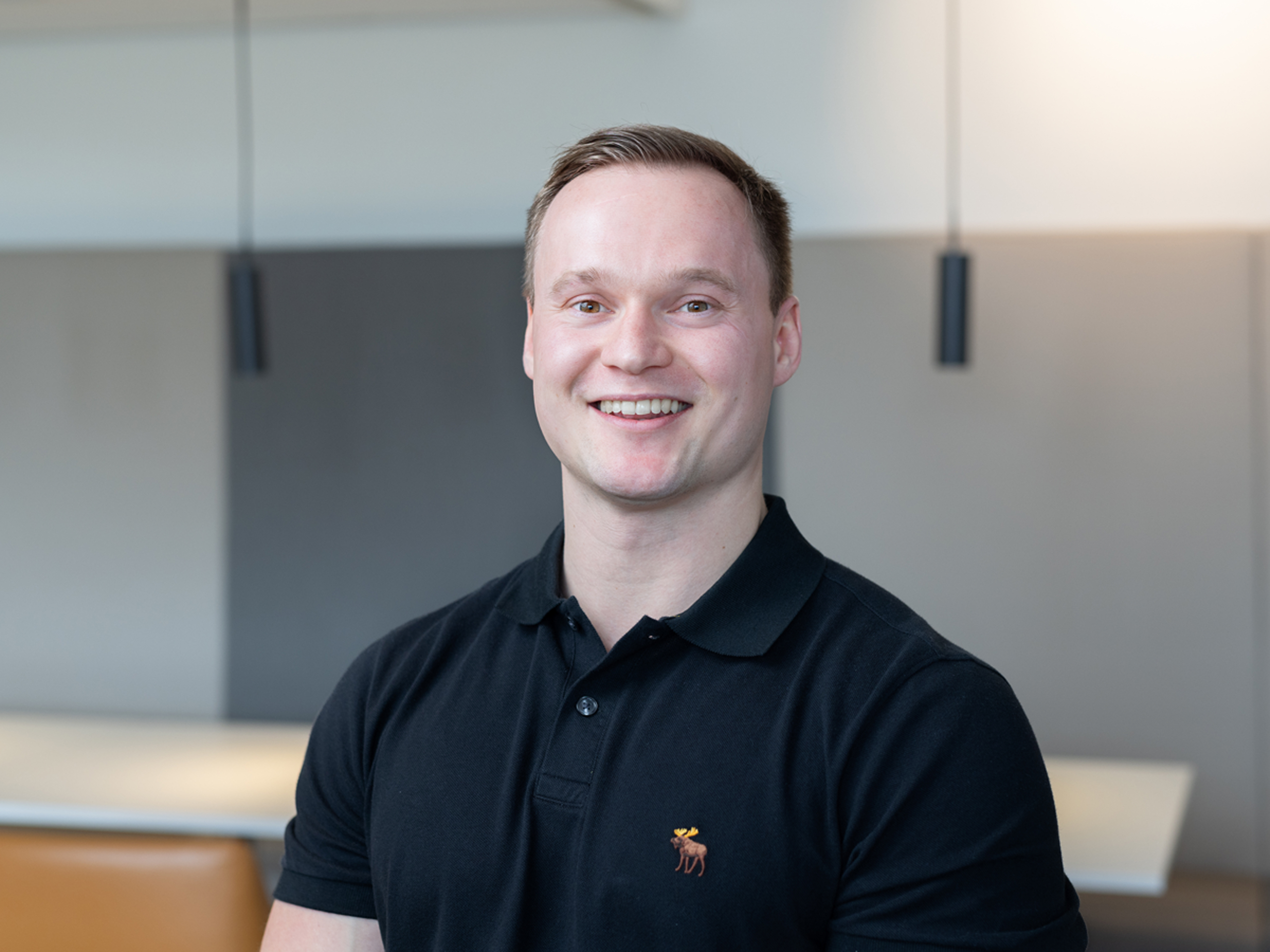
Twan Hopstaken – Unlocking New Treatments for “Undruggable” Diseases
Many diseases remain difficult—or even impossible—to treat because existing drug technologies simply cannot reach the biological targets involved.
Twan Hopstaken, at VU Amsterdam, is developing a platform that could change that.
His team creates enormous libraries of cyclic peptides—containing trillions of unique molecules—to discover entirely new drug candidates. The goal is to enable treatments for diseases that have long been considered “undruggable,” including pancreatic cancer, colorectal cancer, and triple-negative breast cancer.
The technology has already been demonstrated in a working prototype. Over the next two years, Twan hopes to scale the platform, generate compelling validation data, and establish collaborations with commercial partners.
The Faculty of Impact program came at the right time since recent clinical and market success of peptide-based drugs have made them highly pursued at the moment. For Twan, one of the most valuable aspects of Faculty of Impact is learning to think beyond the science. “I appreciate that we are stimulated to get out of our comfort zone. We are encouraged to get out of the lab and talk to many people, and test whether our ideas connect to real-world needs.“
He hopes to gain a deeper understanding of entrepreneurship, fundraising, partnership building, and company development: “including how to build a strong team and an awesome company culture”. Twan hopes to contribute with his honest feedback and his network, and by sharing his success story with next cohorts!
Building the Next Generation of Science-Based Ventures
Although their innovations address very different challenges, these four fellows share a common ambition: creating meaningful impact beyond the laboratory.
That transition is exactly what Faculty of Impact is designed to support. Over the next two years, these researchers will support each other on their startup journey, while receiving funding, training, coaching, and access to a national network of entrepreneurs, investors, experts, and fellow innovators.
Their journeys are only just beginning, but they are off to a good start. We look forward to following their progress as they turn promising research into ventures with impact.

